Application Advice and Tips for Artists
For artists hoping to break into high-quality outdoor art festivals, the application process can feel like a mystery — part art, part strategy, and part sheer preparation.
But after years of working closely with jurors and reviewing thousands of submissions for the Mount Gretna Outdoor Art Show, I have learned that success is not about luck. It is about clarity, consistency, and professionalism.
And it all starts long before you hit “submit.”
Professional Photos: Your First — and Sometimes Only — Impression
If there is one piece of advice I wish every artist would take to heart, it is this: your photos matter more than you think. In many cases, they are the only thing a jury sees. No amount of talent can compensate for poorly lit, inconsistent, or unprofessional images.
Artists should invest in high-quality photography that accurately represents their work. This does not always require hiring a professional, but it does require intention — good lighting, clean backgrounds, and images that highlight craftsmanship. Grainy cellphone shots or cluttered backgrounds immediately weaken an otherwise strong application.
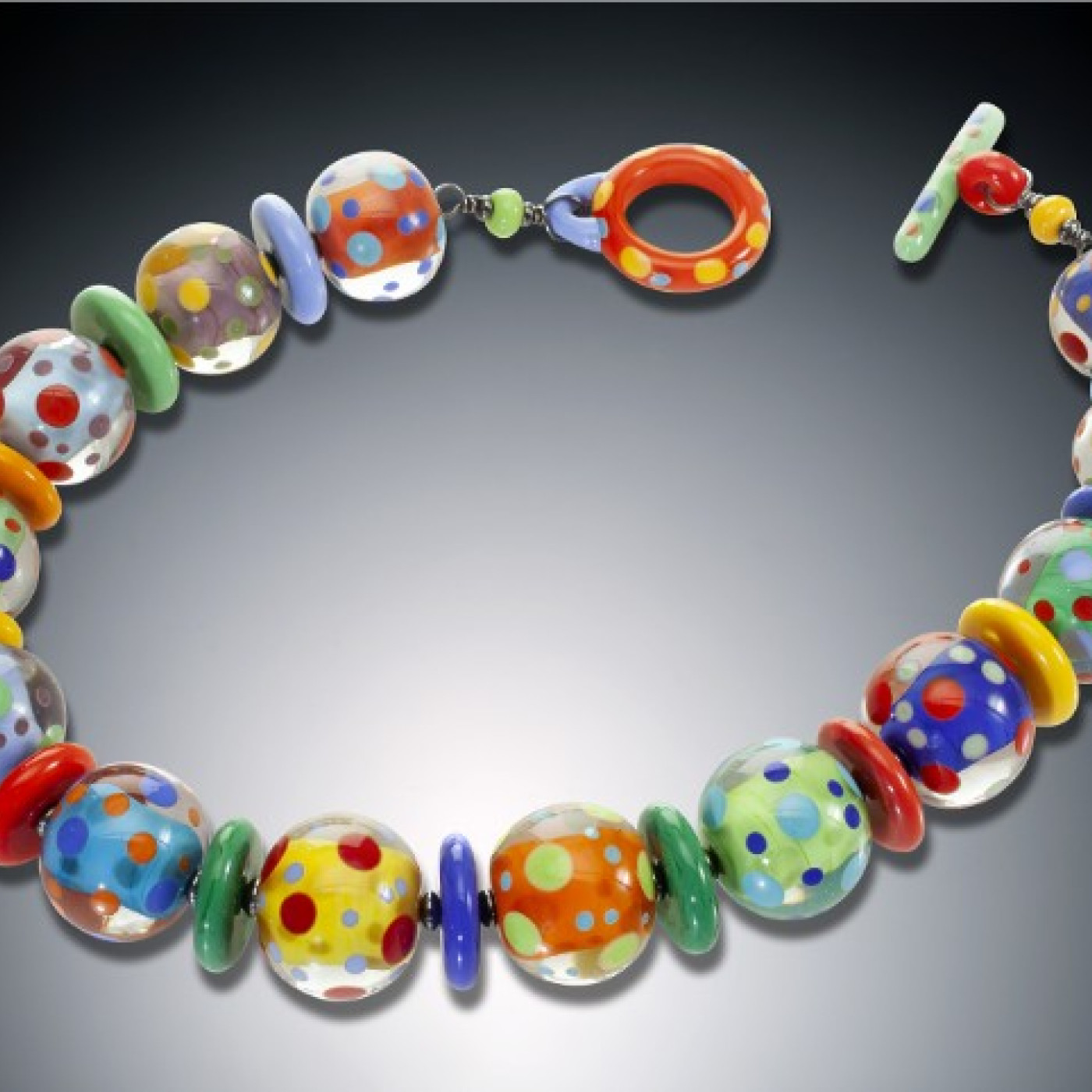
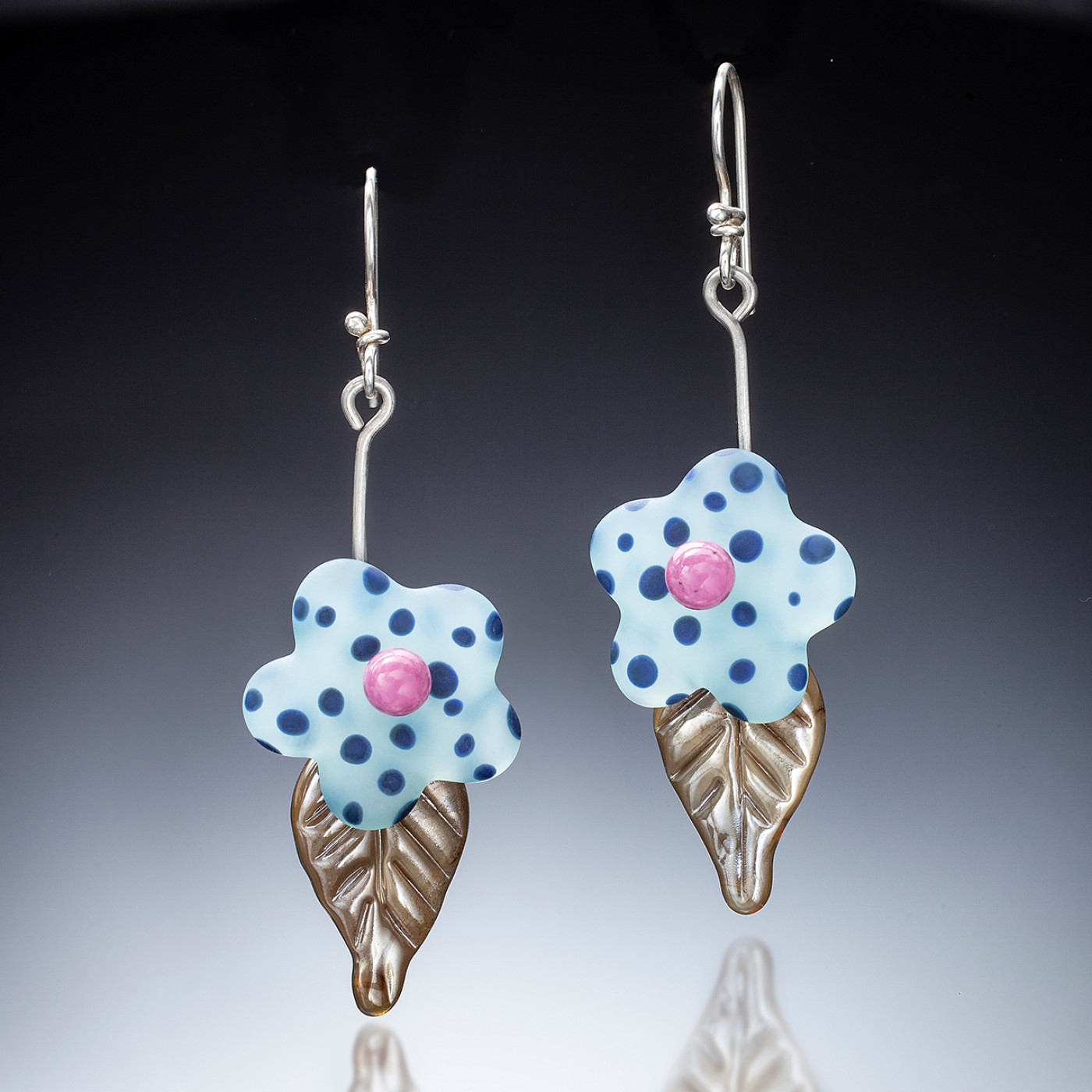
are important when applying to a juried art show. Photos courtesy of Sharon Carlucci
Research the Show Before Your Apply
Every show has its own personality, standards, and expectations. Before applying, artists should take time to understand whether their medium and style align with the show’s caliber and audience.
Look at past exhibitors, review the show’s mission, and — if possible — visit in person. A show known for high-end fine art may not be the best fit for someone just beginning their artistic journey, and that is OK. The goal is to find the right match, not simply any match.
Show Mastery Through Consistency
One of the most common issues jurors encounter is inconsistency. Artists sometimes submit images that look like they belong to entirely different bodies of work. While versatility is admirable, a jury is looking for mastery, not range.
Your three images should clearly communicate:
• A unified style.
• A consistent level of craftsmanship.
• A recognizable artistic voice.
If your photos feel disjointed, jurors may question whether you have a cohesive body of work — or whether you are still experimenting. Consistency builds confidence.
The Booth Shot: Your Mini‑Gallery
For shows that require a booth image, treat it as seriously as your artwork photos. A booth shot should feel inviting, organized, and aesthetically pleasing. It should demonstrate that you can create a professional, gallery-like environment outdoors.
A few essential tips:
• Avoid clutter; less is more.
• Make sure the booth is well lit.
• Keep signage subtle.
• Use Photoshop or similar tools to blur out your name if the jurying process is blind.
A visible name can disqualify an application in a blind jury. It is a small detail that can have big consequences.
Inside Mount Gretna’s Jury Process
At the Mount Gretna Outdoor Art Show, we use zapplication.org for all submissions. Artists must provide three artwork images, a booth shot, an artist statement, and a price range. Because we do not allow additional images, those three photos must be their absolute best.
Our jury consists of four professional artists or educators, and we rotate jurors every year to ensure fresh perspectives. This approach keeps the show dynamic and responsive to evolving artistic trends, but it can also create tension.
Some artists assume that being accepted once guarantees future acceptance. Each year’s jury brings new eyes, new preferences, and new interpretations of excellence.
As show promoters, we understand the value of longtime exhibitors — many of whom request the same booth location year after year, so returning patrons can find them. But we also recognize the importance of welcoming new artists. Patrons want to discover fresh work, and the vitality of the show depends on balancing tradition with innovation.
Support for Emerging Artists
Not every artist has a booth shot, especially those just beginning their festival journey. For that reason, we encourage applicants without a booth image to apply as Emerging Artists. This category allows newer exhibitors to participate without the pressure of meeting every professional requirement from day one.
Our goal is always to help artists succeed. While we cannot ask jurors to explain their scores, we remain open to questions throughout the application process. We want artists to feel supported, informed, and empowered.
Final Thoughts
Applying to a juried show is both an art and a discipline. Strong photography, thoughtful research, consistent presentation, and attention to detail can dramatically increase an artist’s chances of being selected. Jurors want to see your best work, clearly and confidently presented.
At the end of the day, the application is not just a formality — it is your first exhibition. Make it count.