What Makes an Application Stand Out
A great application does not need to be flashy. The strongest applications are usually the simplest. When applying, make it easy for the jury to focus on what matters most: the artwork.
During jurying, a single juror may review hundreds of applications. When many feature exceptional work, small details make the difference. Every part of an application should work together to tell the story of your artwork and how you will present it at a festival. If the jury struggles to understand your portfolio because of poor photographs or incomplete information, you are at a disadvantage before your artwork has a chance to shine.
Invest in High-Quality Photos
More than once, I have seen outstanding work in person at a festival only to realize the application photos had not captured its quality. Jurors cannot pick up your work, examine the craftsmanship, or appreciate the subtle details in person. They rely entirely on the images you provide, so they need to represent your work accurately.
Poor photography does not just weaken an application; it can prevent exceptional work from receiving the attention it deserves. Submit images that are sharp, evenly lit, and true to color. Avoid distracting backgrounds, heavy editing, or photographs that no longer represent the work you are creating today.
Juror fatigue is real. Last year, our jury reviewed over 1,200 applications in two weeks. After reviewing hundreds of applications, clear, professional images become even more important. Allow jurors to focus on your artwork with good lighting, clean cropping, and consistent photography.
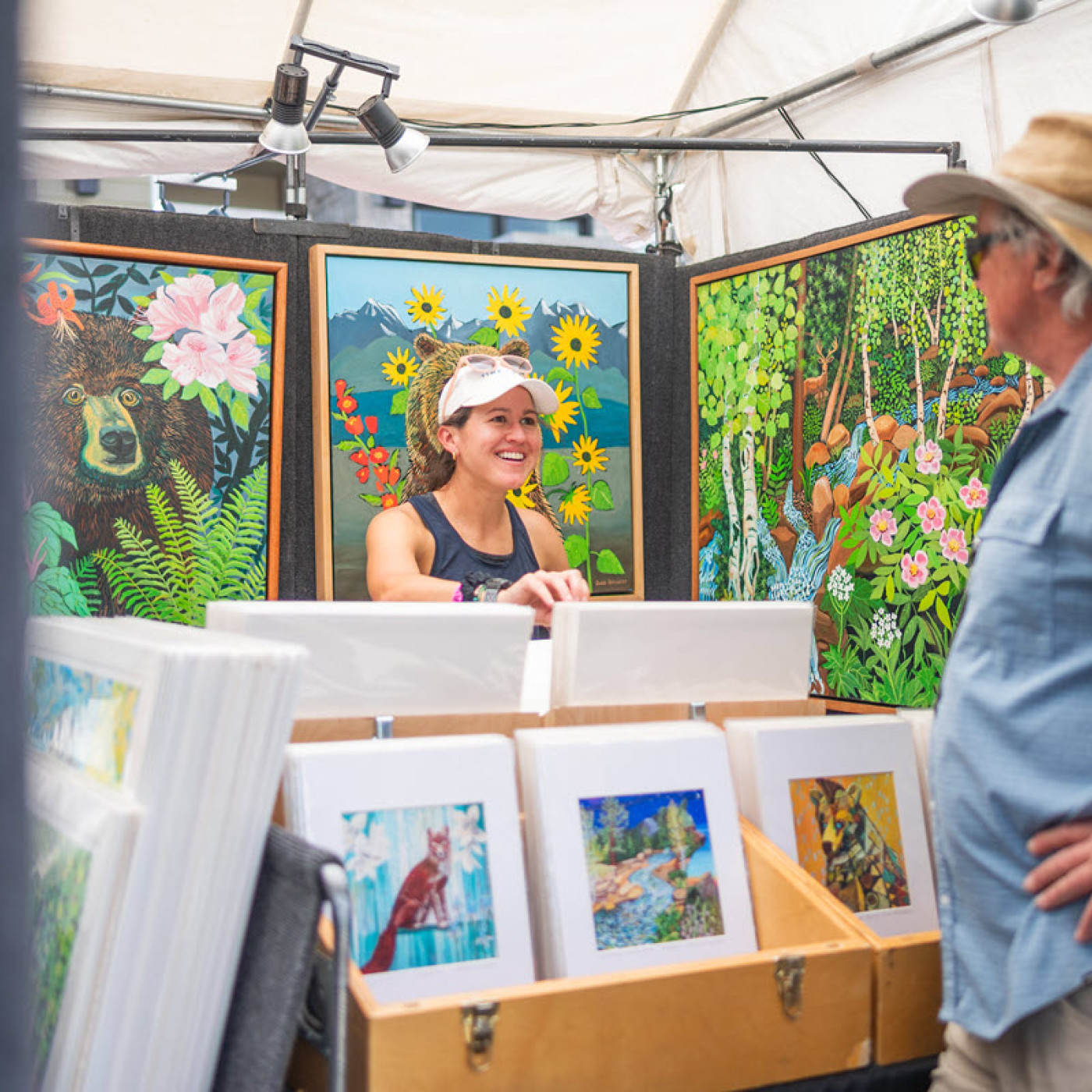
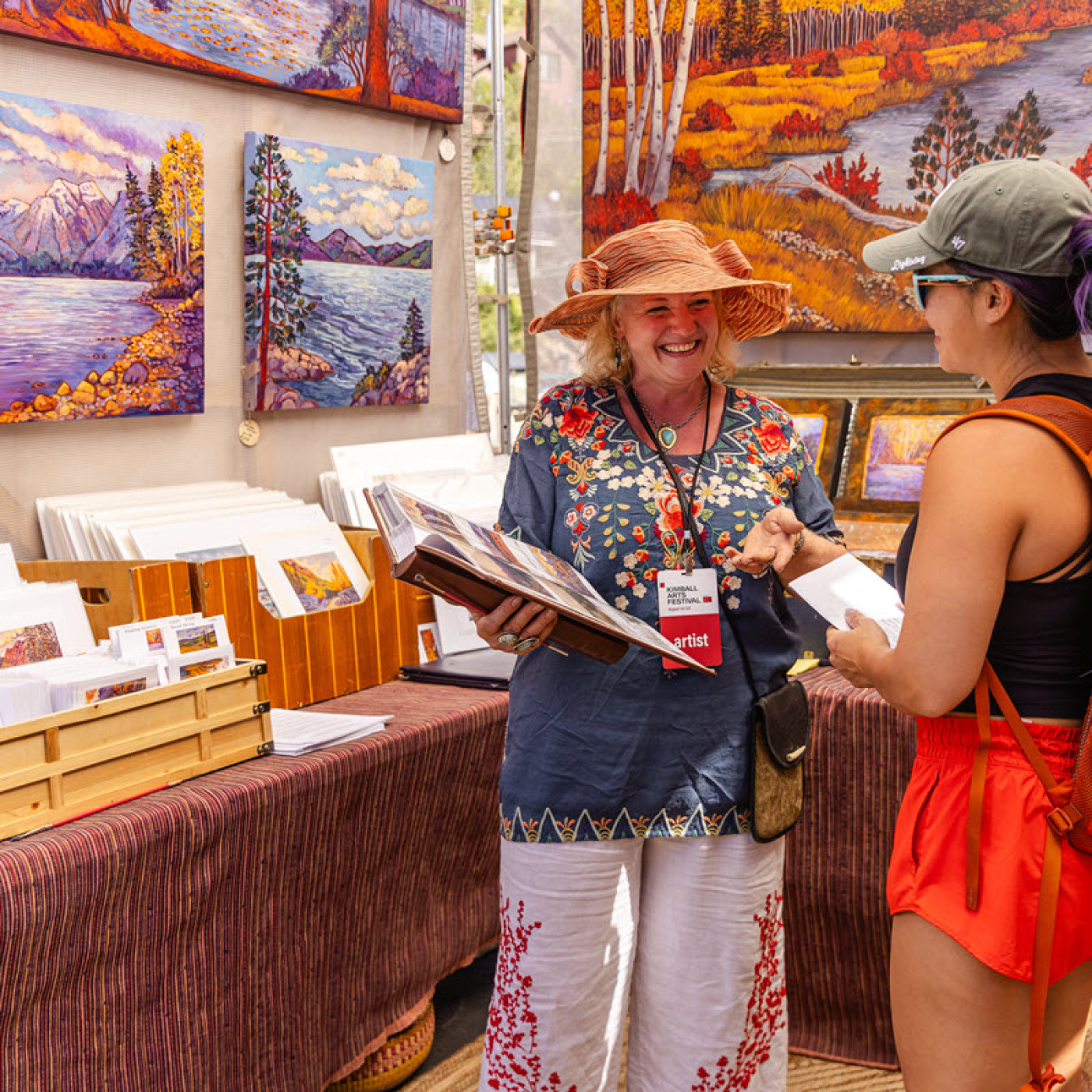
One mistake I see year after year is a weak booth image. We require four artwork images and one booth shot. While the artwork images show individual pieces, the booth photo gives the jury valuable context. It highlights the scale of your artwork, the cohesiveness of your portfolio, and the professionalism of your presentation.
Artists often spend considerable time selecting their artwork images only to upload a subpar booth photo.
When reviewing booth images, I look for a space that is professional, organized, and inviting. Is the display cohesive? Does the presentation complement the artwork instead of competing with it? Does the work displayed in your booth match the images submitted with your application?
If you are new to festivals and do not have a booth photo yet, do not let that stop you from applying. Booth photos do not have to be taken at an actual event.
Set up a mock display at home, in your garage, or in your backyard and photograph it there. If you need help sourcing booth equipment, contact your local art council or other visual arts nonprofit to see if they have a tent or display walls you can borrow. If you are in a pinch, a well-curated photo from an exhibition is an appropriate substitute.
Complete Every Part of the Application
In addition to your images, we ask artists to complete an artist statement, answer application questions, and provide descriptions of their work, including materials, dimensions, and pricing. These sections do not need to be lengthy, but they should be complete and thoughtfully written. They provide valuable context that helps jurors better understand your work and your process.
Be sure your application remains anonymous. Do not include your name, logo, website, or watermarks in your submitted images or written materials unless specifically requested. Even something as simple as a visible signature can interfere with a blind jury process.
Slow Down Before Submitting
The most common application mistakes are rarely about the artwork itself. More often, they are preventable errors like poor-quality images, selecting the wrong medium category, or submitting incomplete information.
Every festival defines its categories a little differently, so take the time to carefully read the criteria before submitting your application. Choosing the wrong category can affect how your work is evaluated.
Before clicking submit, review your application one last time. Make sure you answered every question, uploaded your strongest and most current images, and confirmed that your booth photo accurately reflects how you will present your work.
Two artists may produce equally strong work. If one submits professional images, a polished booth photo, and a complete application while the other submits dimly lit photos and leaves questions unanswered, the jury can only evaluate what is in front of them.
Your application documents and advocates for your artwork. Long before anyone sees your booth in person, the jury is getting to know your work through the materials you submit. Take the time to make sure your application tells the right story.