
Inside Tips for 2026
We are at the end of one year and the beginning of another. It is a perfect time to take stock, not only of our inventory, but additionally, in the ways we can adapt to grow our business.
There is little doubt that businesses of every type are facing unprecedented challenges. For the maker and the wholesale seller of handmade goods, what does the future hold? Surprisingly, some incredibly good things!
Let’s look at what research shows small retailers are looking for in the coming year. First off, they are interested in sustainable offerings. They want products that are eco-friendly, made from sustainable materials.
It is not surprising that this is the same goal of so many creators. If you are a weaver creating gorgeous scarves or snuggly afghans, tell your customers about the animals that grow your fibers. If you make wood products, talk about how your products are made from trees rescued after storms.
Give the retailer some printed material, signage, or even display suggestions so they can understand how your product was made with local, sustainable materials. If your fiber comes from sheep or alpacas, show the shearing process. If it is hand-dyed with plants you grow, tell them how you achieve those wonderful colors. They want to include those facts for their customers, so they understand your piece is not something they will find online or in a big-box store.
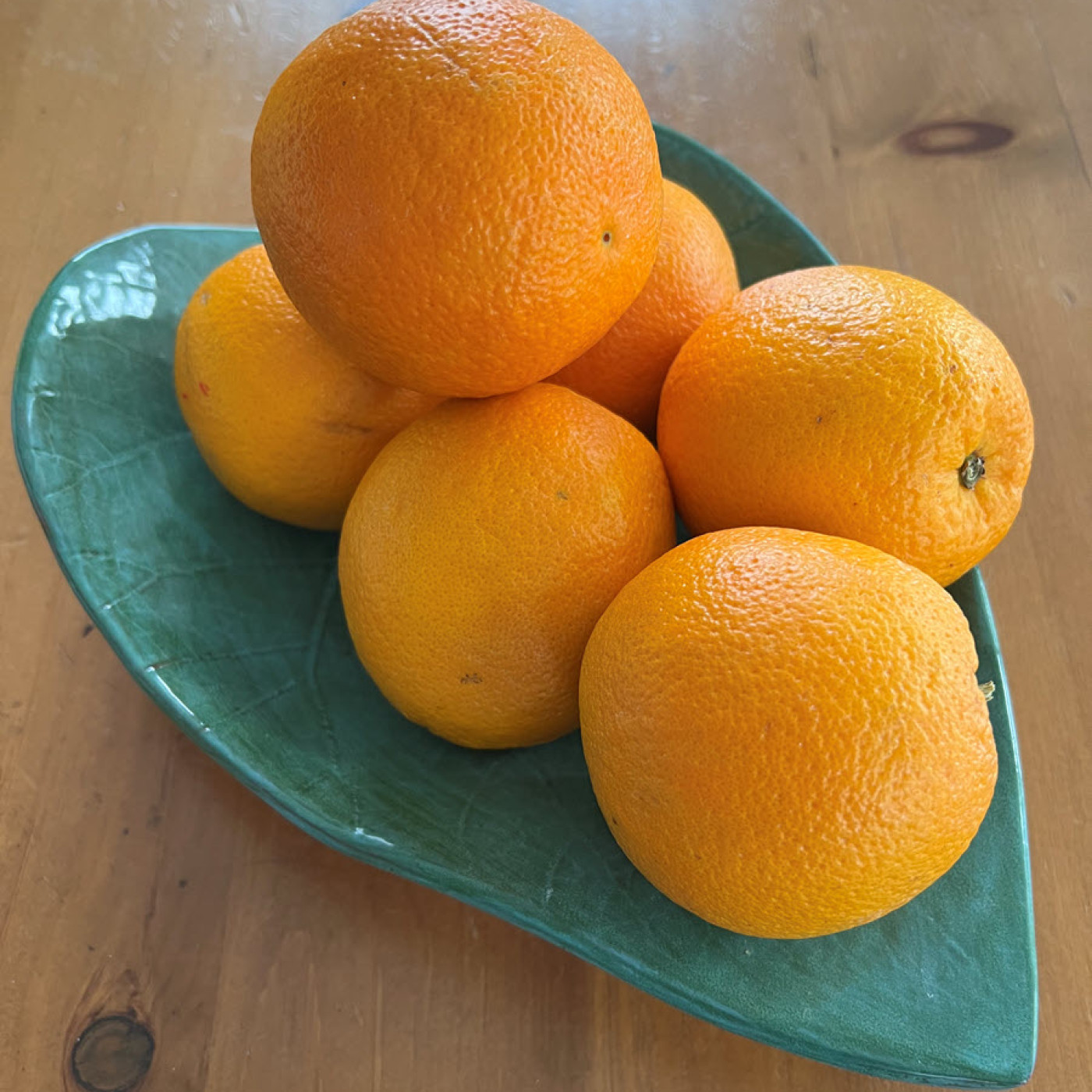
Also, make it a practice to show nature along with your products. Add some flowers to a vase or put some bright fruit on a handmade plate. Simple photos like this underscore your values, show how attractively they can be used, and even inspire the retailer with great display suggestions.
Second, small retailers are looking for local partnerships. They are worried about the supply chain being disrupted by both economic and political policies they cannot overcome, so they want to know that their orders can be filled by people they know and can talk to personally rather than some voice messaging system buried in a deep corporation.
Become a real person to your retail buyers. Do not be afraid to show your face on your artist card or put a video on your website showing your studio with some production footage.
Moreover, shop owners want to create personal partnerships with the makers of the products in their stores. This is the single most significant difference that handmade products have — they have a real, live maker!
When retailers get to know you and your story, they pass that information on to their customers. The retailer genuinely wants to create collectors who visit their store to buy your newest creation.
So do all you can to forge that personal relationship. Invite retailers to visit your studio if they live nearby or might be traveling in your area. When the buyer sees the process, the equipment, and the people that make your product, you have created an indelible and personal image.
Your business will be more than a folder in their product file. And when the retailer does well with your product, you become good business partners, and it is obvious your business is achieving its goals.
Along with sustainable products, many retailers are increasingly interested in health and wellness items. If you are making such products, it is an excellent time to reach out to more retailers, even to some who have never carried these items.
Think about introducing a special care package with comforting cold-weather items like lip balm, skin creams, or hand moisturizers. Send an email or postcard to new, potential customers, touting the perfect Valentine’s Day special that you can ship immediately. Every retailer I know is always looking for new items that might excite their customers and adding such a sweet thoughtful gift to their Valentine display might be just the ticket!
Today’s buyers are also asking their vendors for an enhanced online presence. They want to order and re-order from you easily. Make sure your website is welcoming to wholesale buyers, engaging them with excellent product photos and information.
If you sell on a wholesale platform like IndieMe or Faire, make sure the link to your shop is on your site and that it is prominent, personal, and inviting. Have a robust wholesale offering on that site, with clear measurements, specific materials, and even packaging details for every item. Highlight your bestsellers to give new customers good ideas and direction.
Provide promotional support for retailers. Include artist cards, tags, and materials that help both the retailer and the end-customer appreciate your product. If a custom display piece can help sell your product, offer it free or at low cost with an order.
I remember a maker of hand-painted, lovely night lights provided our store with a decorative plug-in board so we could display six of their lights all aglow in our shop. Believe me, it produced sales far better than unlit items in a plain box!
Along with that trend is a desire for customizable products. The small retailer faces enormous competition, and they would love to offer their customers something they cannot buy anywhere else. This is particularly true if you can personalize your product to their specific clientele or location.
As the owner of a small store, I cannot tell you how many of our customers brought visiting relatives and friends to see our gallery. Help them make a sale by supplying something they cannot buy at home, or that will create a fond memory of their visit.
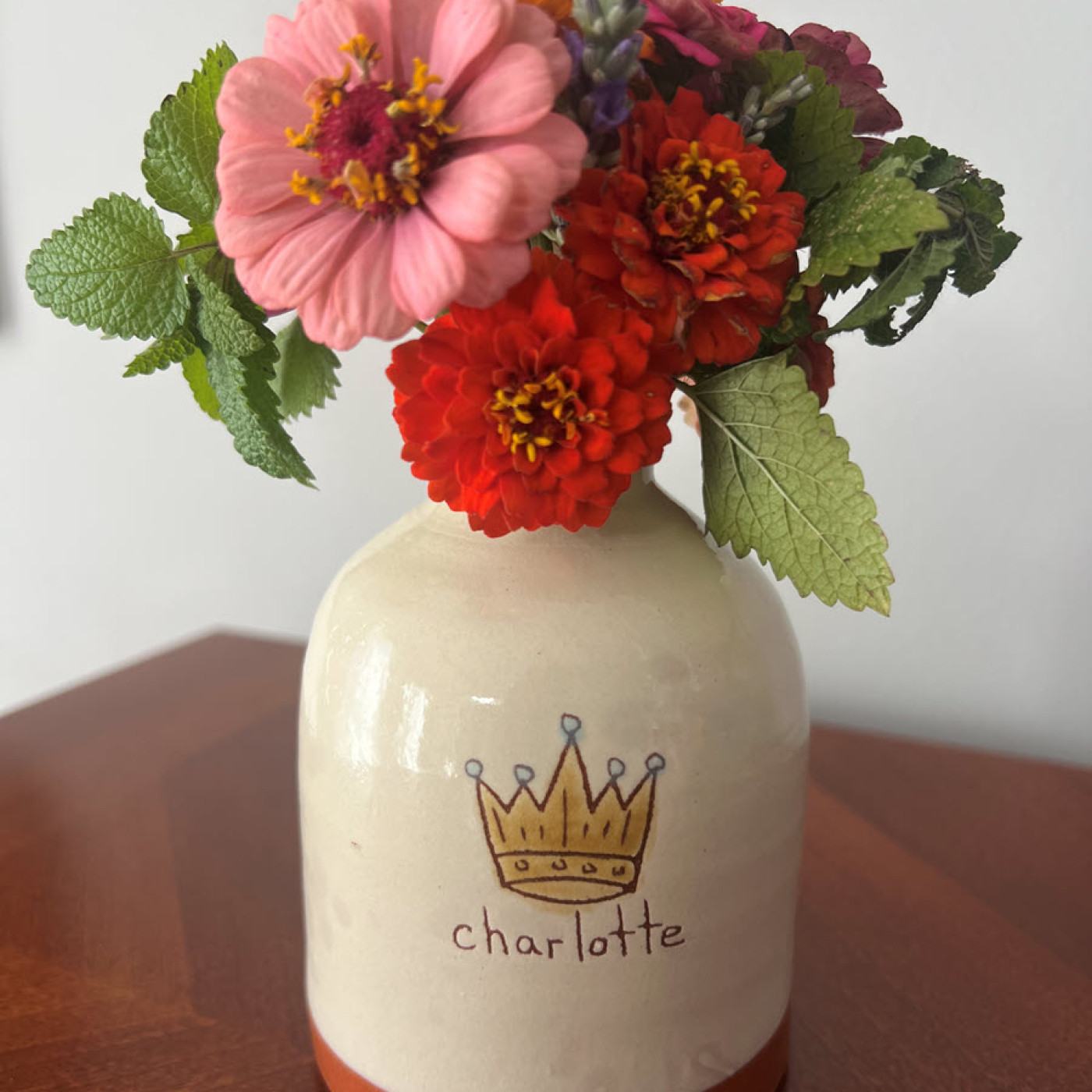
The Charlotte vase is a good example. I asked potter Ron Philbeck to make a small, affordable piece just for our shop. The cute result is this souvenir of the Queen City — and it became an instant bestseller!
Community engagement is also a strong retail trend, meaning stores want to hold interesting events that bring many customers to enjoy a special, party atmosphere in their store. If you have a loyal, long-time retail customer, have you ever thought of offering to visit their store for a special showing, demonstration, or meet the maker event?
One local gallery in my town is remarkably successful and nearly every month offers an opportunity for their customers to meet one of their artists. It might be a casual Friday evening when other downtown events are happening, so they invite an extremely popular local glass artist to meet new potential customers.
Occasionally, it is a Saturday when a jeweler brings an enhanced display of her work and spends the day meeting and explaining her materials and methods. Or sometimes it is an exceptional artist with a national reputation whose work has been extremely popular with her customers and is there for an entire weekend.
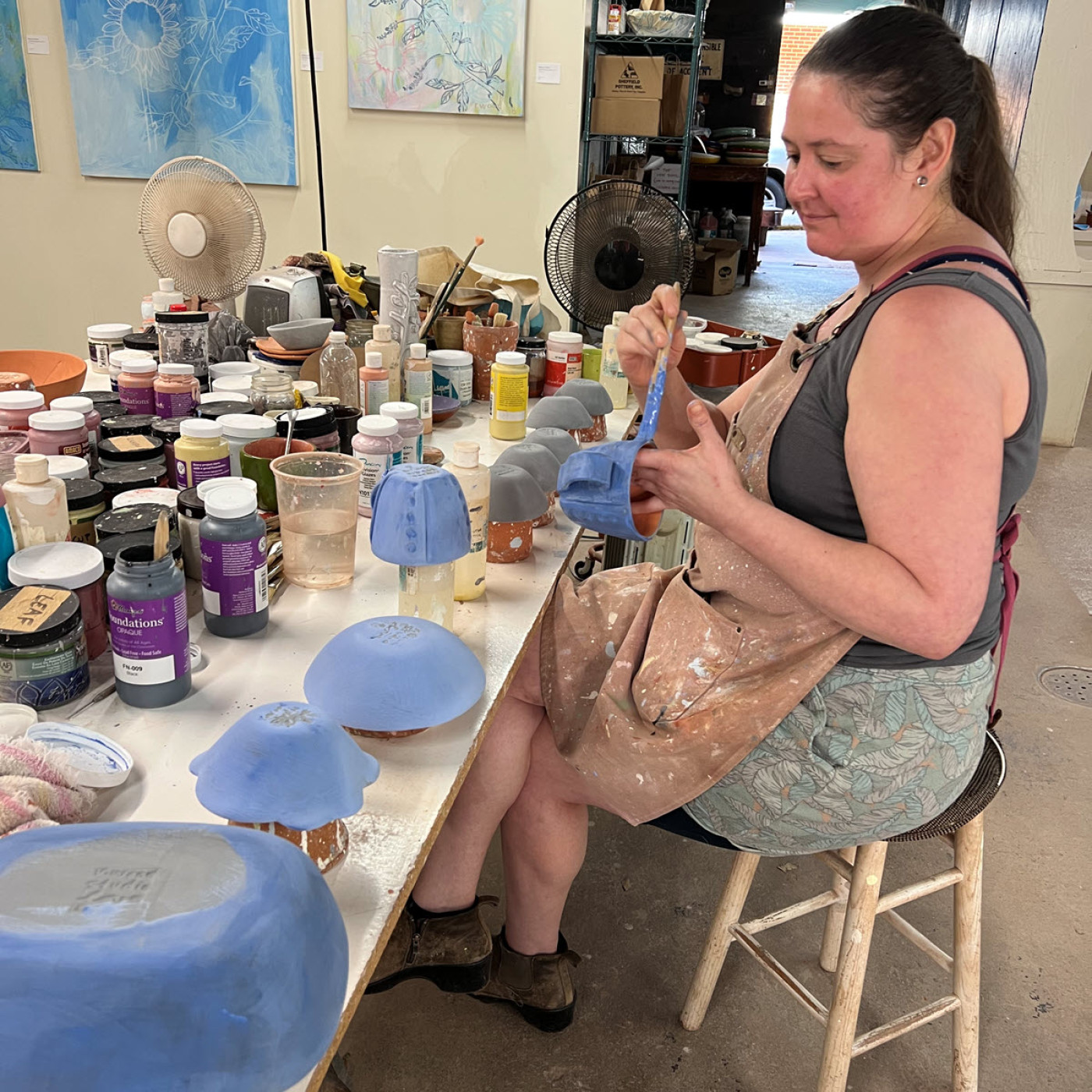
Even if you make a complicated product where you could never bring all your equipment or materials, it is still possible to have a special event with your retailers. I remember inviting a potter who made intricate sculptures, as well as functional ware. She brought lots of products for a great weekend display but spent her time just glazing and painting a few pieces while she was chatting with customers.
We also invited a nationally known wood carver who brought many special finished pieces and then one she intermittently used to demonstrate her technique. Events like this create an important boost for the retailer and usually create an exceptional bond between your wholesale business and the gallery or shop.
In uncertain economic times, the retailer is also looking for flexible terms. While it is standard practice these days for makers to require payment before shipping, there may be some other ways you can help the retailer’s bottom line. If you have a small product like jewelry, you may offer free shipping. Or if you live nearby or have a reason to travel near their store, you can offer delivery. Believe me, retailers genuinely appreciate vendors who come to see their stores!
Also, if you have proven success with a retailer, you may offer a consignment arrangement where the retailer pays for their regular order, but you send one large, exceptionally lovely, and expensive piece on consignment. This can be a win-win situation for both parties and cement a long-term relationship.
Take stock of all these retail trends. And in the next few weeks, think about how you might strategize and capitalize on them. As a wise person once said, “smooth seas do not make successful sailors.” Let’s use the challenges ahead to make 2026 a good year and to create long-term success for your creative business.
About the Author
Diane Sulg
Diane Sulg is executive director of CRAFT and founder and co-chair of American Craft Week (ACW). She is a handmade advocate who provides valuable information in her one-day seminars titled “All About Wholesale” at wholesale shows throughout the United States. Diane is the former owner of Maddi’s Gallery, in Charlotte and Huntersville, North Carolina.