A Good Fit Find Shows To Match Your Style
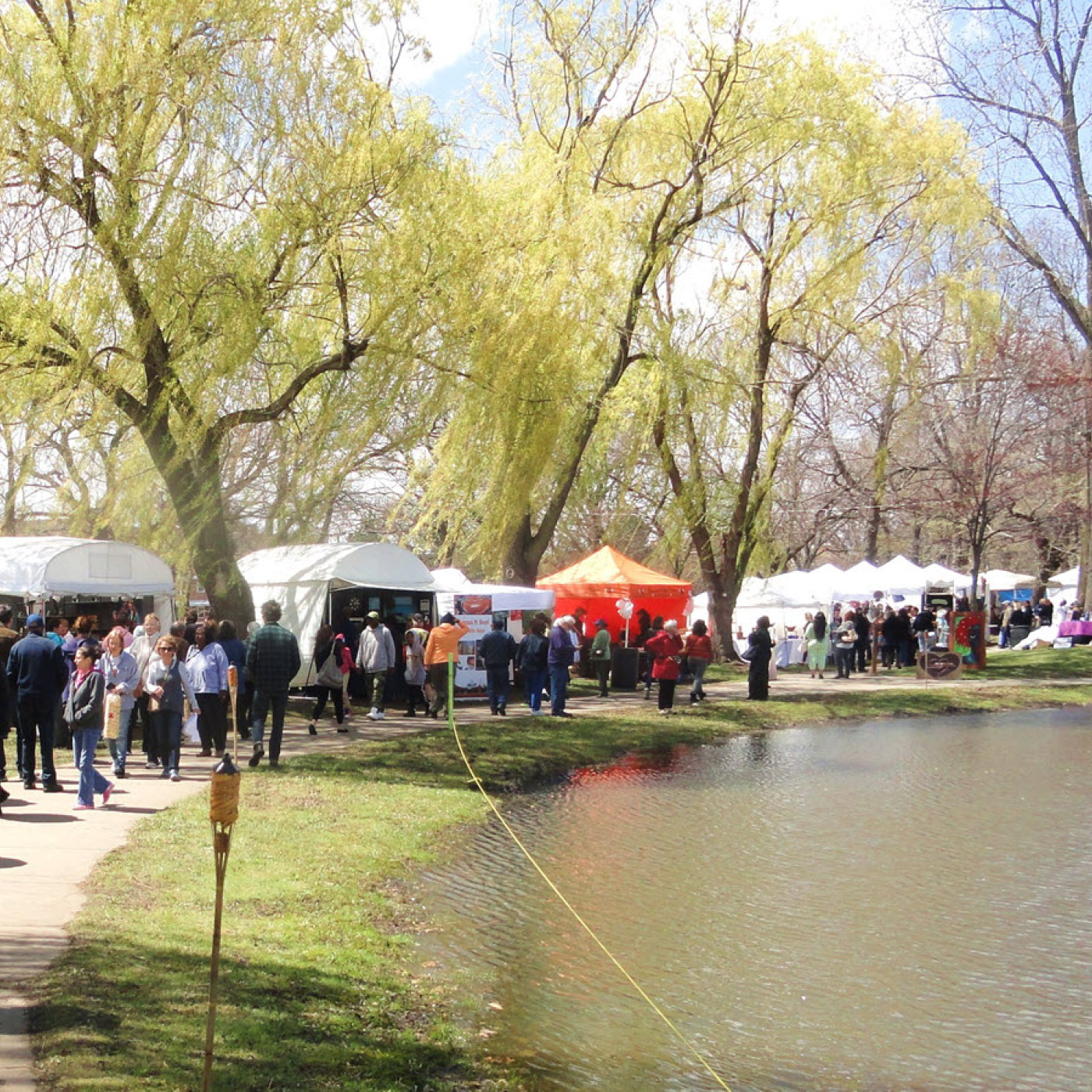
Artists who want to identify shows that best fit their medium or type of artwork must first decide what is important to them. Is there a distance you are willing to go? Are there areas where you have collectors or support?
Then look at Sunshine Artist and other listing services and pick some shows you want to look in to. The next step is to examine each show’s website and social media to determine if your work is a good fit for each one.
If there is nothing like what you do, it is probably a sign that you are not a good fit. If the average price point is radically different than yours, it is unlikely it is right for you.
The ideal is to find artists who are successful at the same shows you are and to then compare notes. This is not necessarily artists with similar work, but artists with customers like yours. The more you can identify the attributes of your best collectors, the better. But even that does not ensure success.
How the show is presented should also be considered. Is it a festival with some art, or is art the focus?
I do not schedule entertainment that distracts from art buying. My goal is for the attendees to not feel finished until they have purchased art.
If they have a great meal, enjoy a show or two, and so forth, they may feel ready to go. Instead, I focus on demonstrations, hands-on art projects, and the like, so it keeps the focus on the artists.
More Considerations
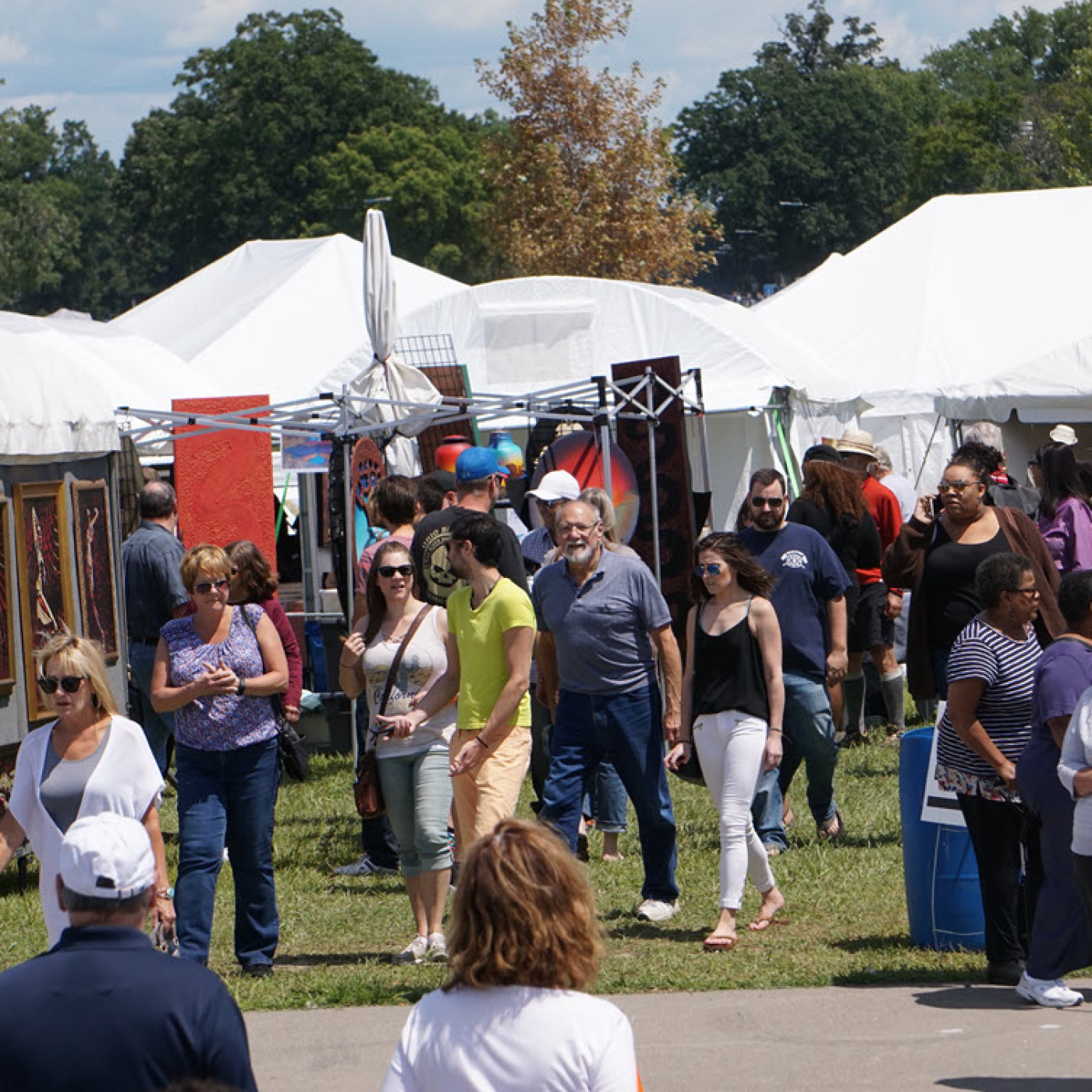
The most useful information on a website or in promotional materials is the photos of art by current participants. Some shows with 2,000 in attendance are great for high-end artists, but those relying on $20 and $40 sales are unlikely to succeed there. Others have tens of thousands of attendees, with each spending just a few dollars.
It is worth calling producers to get their point of view, but there are concerns with this. First, most event producers are proud of their shows and will speak well of them. They likely have no idea how your work will fit in. Some may be tempted to be overly optimistic.
It is better to rely on artists. While I do include some statistical information, it is not comparable to other shows’ reports. There is no standard for attendance counts and sales figures, so similar numbers may mean outrageously different things.
My jurors are quick to point out artists who are not a good fit. If it is because of the quality of work, that is easy. We just do not invite them.
If they have amazing work, but I do not think they will be successful, I share my concerns in their invitation. If it is great work, I will not disallow it, but I will make sure the artist is aware.
I have learned not to share juror feedback with artists until it is requested. When people get a rejection letter, we offer to share feedback and answer questions. About half of the artists request this, and I spend considerable time the week after jurying responding to these inquiries.
Back when I automatically included the information, I mostly had people calling me to tell me how wrong I was. By waiting until they are ready, the feedback is much more useful.
Each of my shows has a distinct personality, and I try to share that with the artists and the attendees. It is best for everyone when the expectations synchronize well.
The only way to create and maintain a successful art fair is by having successful artists. The only way to have successful artists is to bring in buyers.
Artists develop their own criteria for success. Some say it is five times the rent. Others have a dollar goal. Some love to travel, while many stay close to home.
You need to figure out what works best for you. Keep in mind, though, that most successful artists have collectors in multiple cities. It is not a great idea to just stay close to home if you want to rely on art for your income.